Step 6: Run the numbers
Although the cost for a solar PV system will depend on the size of the system you intend to install, your electricity rate, the amount of kilowatt hours you expect to generate, and the state/local rebates/tax credits that may be available, the formulas for calculating the returns are pretty much the same.
For those who appreciate having the formulas, use the ones listed below to do a quick ballpark estimate of how much a solar photovoltaic system might cost you.
Retail Price for Solar Photovoltaic System
+ Building Permits
- $2,000 Federal Tax Credit
- State or Local Tax Credit or Rebate
- Utility Rebate or Other Incentive
= Net Investment
Kilowatts of electricity generated from PV per year
x Kilowatt hours used per year
= Annual Kilowatt energy from the PV system
Annual Kilowatt energy from the PV system
x Current Residential Electricity Rate
= Annual $$ Saved
Yearly Excess PV Energy Produced
x $$ credit applied per watt
= Annual Value from Net Metering
Of course, a more accurate assessment can be made by a pro. Work with a solar power contractor to size and price the right system for you. As is true with any major purchase, don't hesitate to ask for several bids from different contractors.
Many solar power providers will provide you with a comprehensive estimate. Helpful information to know includes:
- Total cost to make the system operational (labor cost for design and installation and equipment costs)
- Equipment (Make and Model)
- Warranty info
- Permit costs, if needed
- Tax, where applicable
- Federal tax credits
- State or local jurisdiction tax credits or rebates
- Utility rebates
- Expected Renewable Energy Certificates or Net metering credits
- Expected operation and maintenance costs
- Projected savings
Solar Thermal (also called Solar Hot Water)
Solar thermal systems capture the sun's energy to heat water and are one of the most cost-effective renewable energy systems. They are used to heat hot water tanks and/or a heating system. A solar pool heating system is another type of solar thermal system designed specifically to heat a pool or hot tub.
Generally it's worth investigating the economic viability of installing a solar hot water system if you have an electric water heater with utility rates of at least 5 cents per kilowatt hour and have tax credits or rebates available. (It may even be worth changing out a gas-powered water heater if your costs are at least $8/million BTU).
The formulas for costing out a solar water heater system are similar to estimating the cost for installing solar PV system. Many solar energy professionals can help you determine what system might work best for you.
Heating Your Swimming Pool with Solar Power
Although few jurisdictions provide financial incentives for using solar energy to heat a swimming pool or hot tub, in general, using solar power to heat your pool is a "no-brainer" from a return on investment standpoint.
The electricity used to heat a pool during the swimming season often amounts to the same amount of energy that homes-without-pools consume over a year. Combining a solar thermal system to generate heat for the pool with a solar thermal pool cover to retain the heat generated can further maximize efficiencies and extend your swimming season.
Most installers recommend that a solar collector used to heat a pool is sized at roughly half the square footage of your pool surface area. Solar thermal panels typically last 10 – 20 years and come with a 10-year warranty.
How long it takes to break even on the cost of your solar power pool system depends on where you live. In California or other parts of the Southwest, you'll break even in 1 to 3 years but places as "far north" as Canada, a solar pool heating system pencils out over a slightly longer period of time.
Six Easy Steps to Estimate Cost of a Solar Power System - part 6


 Labels:
solar energy
Six Easy Steps to Estimate Cost of a Solar Power System - parts 2 and 3
Step 2: Anticipate the future
In 2005, average residential electricity rates across the USA ranged from about 6 to nearly 16 cents per kilowatt hour depending on where you lived. Average retail and commercial electricity rates have increased roughly 30% since 1999 and the upward trend will likely continue especially as costs for the coal and hydropower used to generate that electricity rise as well. So think about your home electricity needs and present and future cost in relation to one another.
Step 3: How much sun do you get?
The Florida Solar Energy Center has conducted a study to examine how a 2-kW photovoltaic system would perform if installed on a highly energy efficient home across the continental USA (http://www.fsec.ucf.edu/en/publications/html/FSEC-PF-380-04/).
The study accounted for all factors that impact a PV system's performance such as the temperature effect on the photovoltaic cells, the amount of sun peak hours in various regions, and the efficiency of inverter to convert solar derived energy from DC to AC.
As the study implies, solar photovoltaic systems work just about anywhere in the US. Even in the Northeast or in "rainy Seattle", a pv system can pencil out if designed and installed properly. In New York or New Jersey, a one kilowatt system should produce about 1270 kilowatt hours of electricity per year, in Seattle, a one kilowatt system should produce about 1200 kilowatt hours per year. In the Southwest, of course, those ratios will be much greater.
Solar contractors in your area can help determine the best size for your solar photovoltaic system.
Labels:
solar energy
Why wind power will not rule?
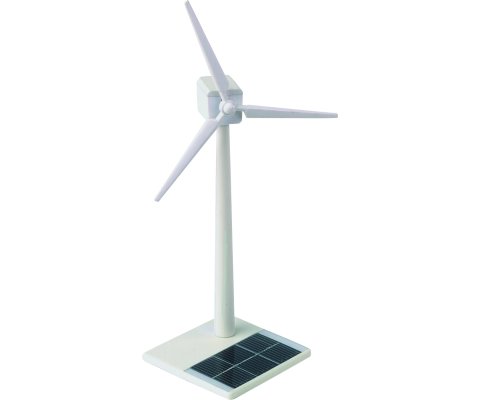
In the battle for the best renewable energy resource, the two that are constantly growing, building new technologies and give more renewable energy information, are the solar power and wind power. many renewable energy companies are straggling to put their technology on top, to gain more influence and more renewable energy credit. who will eventually win?
I think that in spite of the fact that wind power technologies are advanced, and currently wind turbines base power plants are more efficient and cheap than solar panels, It will not turn out to be the leading technology of the future.
The reason for that is the huge difference in terms of energy between the these two resources.
The sun energy is by far more intense, and more reliable than wind energy. The sun is technically the sole provider of energy to the living world, and we only use a minute part of the energy that arrives to earth.
Moreover, wind energy is not always available and require more specifications than solar panels.
Labels:
clean energy,
green energy,
renewable energy,
solar energy,
wind power
Solar Power is a Popular American Choice

WOW! We are almost all in agreement about at least one form of renewable energy; ninety per cent of Americans think that builders should be offering the option of solar power in new homes.
For those unsure of the term: solar power is the term used to describe the resulting energy from the conversion of sunlight into electricity. In order to do this, the sunlight must first be 'captured'.
Because there is always (so far!) sunlight, this is called a renewable source of energy. This means once we have perfected the technique to turn the sunshine into electric power, we can always use that technique as there is always sunlight and it is always free.
Solar energy in a primitive form has been used for centuries by various civilizations. Nowadays with technology at such a sophisticated level, solar power can be used to provide heating, lighting and electricity.
Water heating is easy to install in new homes as the panels for it are usually placed right in the roof. Believe it or not, America first had solar water heaters as early as 1890! In many climates the sun can provide up to 75% of domestic water usage, so it makes sense to build these units into new homes.
The more people that request the option of solar power in their homes, the more mainstream it will become. A builder can often just install the pre-wire kit during construction, so that it is easy for the owner to add on the panels later, if desired.
Solar power also saves the home owner from paying large electricity bills, as the domestic electric power will only kick in when the solar power has been used up. Increasing energy costs make solar power look attractive - apart from the fact that it contributes to a healthier planet.
Due to the steadily gaining popularity of solar power, the price of panels is predicted to be halving within the next five years. Many states offer generous subsidies and rebates to assist the American home owner in making the right choices about energy and there are also federal incentives to look into.
Designs are becoming more and more attractive as the market expands. Whereas once solar power gave a home the look of having something stuck on your roof, nowadays designs can actually enhance the look of a home.
Israel leads the world for total percentage of domestic use, with 90% of its homes using solar power. China, with its large population deploys 80 % of the market share of solar hot water systems. In USA solar power is most popularly used for heating swimming pools.
Internationally, the use of solar power in swimming pools and low temperature applications such as domestic hot water and space heaters, is the most common usage, this is because the power is most naturally converted into heating.
In fact, solar power has been used to power a car that ran for over 3,000 kilometers (in Australia) and a boat that crossed the Atlantic (in UK). Solar energy has also been used to cool houses and to cook with. However, by far the most acceptable method of using it at the moment is solar water heating.
There are many American companies listed on the Internet if you wish to find out how your home would convert to solar power.
About the Author:
Drew's in the Top 2% of Prudential Agents nationwide, and one of the Top 10 agents in the Orange County real estate area. For results you can count on in the San Clemente real estate market, and to view homes for sale in Talega, visit Drew and the rest of his team at HartanovTeam.com.
Labels:
solar energy,
solar home
Solar Home - Conserving Pv Power
Author: Anna Hart
Solar homes. Many people talk about them, although few in the U.S. do more than talk. They are said to reduce utility bills. Some say a solar home cuts utility bills drastically. Some are able to sell excess power back to the power grid. Savings are not automatic, however. Steps must be taken to make the solar home efficient; to conserve the electricity that is produced.
Ways to conserve solar photovoltaic power in the home must be found. The home owner must actively seek out ways to make those photovoltaic (PV) panels on the roof as efficient as possible. Photovoltaic power is free, but it cannot be generated in unlimited quantities. It is important to take measures to use it to best advantage.
Of all the ways to conserve solar photovoltaic power in the home, the most important is probably replacement of power-gobbling electric appliances. Home lighting can also be changed to conserve solar photovoltaic power (PV power). Finally, power usage can be reduced by making every person in the solar home conscious of conservation methods.
12 Ways to Conserve Solar Photovoltaic Power in the Home
1. Shop for energy-efficient appliances and home electronics for your solar home. Most products in this category carry EnergyGuide labels. These labels give an estimate of the products' energy consumption or energy efficiency, and show the ratings of similar appliance models. In the U.S., appliances and home electronics that meet strict Department of Energy (DOE) and Environmental Protection Agency (EPA) energy efficiency criteria carry Energy Star labels.
2. Replace an electric water heater in a solar home with an energy-efficient propane or natural gas heater. Connect the new water heater to a solar water heater system. The sun will preheat the water, and the new unit will have less work. Wrap the water heater with thermal wrap to retain heat.
3. Replace the solar home's electric furnace with an energy-efficient propane or natural gas unit. Install a solar panel air heater to reduce the work load of the new furnace. If you are building a new solar home, consider passive ways to heat the floors and air, further reducing the workload.
4. If the solar home is in a hot, dry climate, use an evaporative cooling unit in place of an electric air conditioner.
5. Check weather stripping around all windows and doors. Seal cracks and openings. Stopping air leakage in and out can improve indoor climate control in every season.
6. Insulate the solar home well. Insulation will keep heat or cool air from escaping. It will also keep outdoor cold or heat from entering readily.
7. Use heavy, insulted drapes and window shades/blinds in the solar home to keep out hot or cold air, making cooling and heating units work more efficiently.
8. A serious solar home owner can save even further by using a solar oven for cooking whenever possible. Especially good in hot climates or summer months, a solar oven will cook food with solar energy, and avoid heating the home. Money is thus saved in two ways.
9. Control of computer usage is another of the many ways to conserve solar photovoltaic power in the home. Monitors should be turned off whenever the computer will not be in use for 20 minutes or more. The CPU and monitor both should be turned off when the unit will not be used for 2 hours or more. Power down or sleep modes should be set.
10. Replace light bulbs with Energy Star qualified compact fluorescent light bulbs. If every U.S. home replaced just one light bulb with one of these bulbs, we would save more than $600 million in annual energy costs. To the solar home owner, such savings are vital.
11. Maximize your use of daylight, turning on lights only when necessary. Use windows to advantage, and install skylights where possible.
12. Landscape your property to block the heat of summer sunlight, permit winter sunlight. Deciduous trees near the solar home will shade windows in the summer, and let warming sunlight through in winter months.
Ways to conserve solar photovoltaic power in the home are not limited to these twelve, but if these alone are used, the increase in efficiency will be tremendous.
About the Author:© 2007, Anna Hart. Anna Hart invites you to read more of her articles about solar homes at http://www.solar-energy-connection.com. Anna has posted articles on that site about various applications of solar technology. If you would like information on designing and constructing a solar home air heater, you won't want to miss Anna's article on the subject.

Labels:
ideas,
renewable energy,
solar energy,
solar home
Tower of Power: Tallest Man-Made Structure on Earth

You can view the promotional video he re. The proposed solar structure is awe inspiring, and Enviromission hopes that this huge Austrailian solar facility, capable of powering 200,000 homes, will attract interest in Renewable energy
When completed, the Solar Tower of Power will truly be a technological marvel
Labels:
alternative energy,
ideas,
solar,
solar energy
What is holding back the adoption of Solar Generated Electricity in the United States?
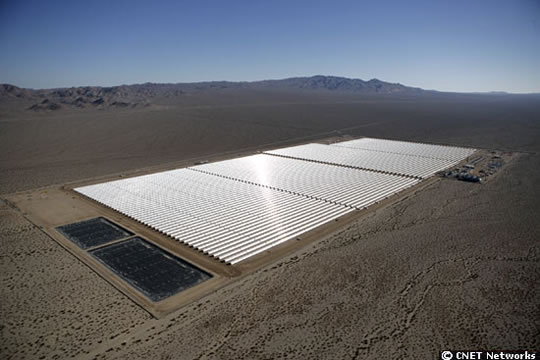
I have a BS and MS in Metallurgical Engineering. Thirty six years spent in the development of semiconductors. Business experience in start up business plan. Currently, an oyster farmer and interested in helping the environment by deploying solar energy. Please visit my Web Site
http://www.charlestonenvironmentalhelp.com
Labels:
energy,
green energy,
renewable energy,
solar energy,
sun,
USA
