You may think that this is the sort of thing that an engineer that works for JPL does on his time off. However, with all of the available information on the Internet today anyone that has ever been able to use a tape measure, and is proficient with a hammer and saw will be able to construct these items with a minimum of effort.
One of the most disconcerting things we face today is the uncertainty regarding our energy reserves. I often think about the future we are going to leave for our children and grandchildren.
The demand of the public for self reliance and cheap, clean, renewable energy have resulted in all kinds of projects and legislation aimed at encouraging the average citizen to take advantage of the technologies out there that will allow them to supplement their energy needs or to become outright independent. The laws that have been enacted even include provisions that force the utility companies to buy any excess energy generated by private citizens.
In this climate, and with the myriad of available materials today, the average person has the ability to construct high output solar cells and wind powered generators. For a relatively small initial investment the person can build a supplemental energy system that will return all of their initial investment in less than a year. Coupled with this incentive is also the fact that many counties offer special tax credits for homes and businesses that use solar, wind, hydroponic, or biomass energy. If you call your local city or county building department you can find all of the forms and information on what is available in your area. You can also find this information on line.
In addition we are also having to pay astronomically high electric energy bills. If you go back a few years you will see that the consumption of energy in American cities has increased exponentially and now the costs we pay for this energy are rising sharply.
However, this has changed in the face of developments on the world market that have forced cutbacks on available fuels used by the utilities in their power plants. Clean air regulation has sharply cut the ability of many of these plants to burn coal or burn high sulpher fuels, and the outrageous prices of oil have driven many of the gas fired power plants out of business.
The incredible fact is that there has been several solutions available to the average citizen for more than 50 years, however, these solutions have never been encouraged by the government and local utilities because of the obvious reasons that the utility companies do not want competition to their supply of power, and the government has usually had a stake in these companies and therefore gone along with their policies.
You may be starting a revolution - but in the end it will be for you and your family's benefit. You will also be showing the all American notion of being independent and that spirit of enterprise that was in the pioneers that helped build this country. Think of the impact you could have in your community if you were the pathfinder and introduced your friends and neighbors to the benefits of generating your own energy.
As you make an audit of your energy needs you realize that if you remain on the grid you will be handing over a major amount of your hard earned money to the utility company in return for a few basic things like gas to heat up the hot water in the house, and electricity to power up things like your computer, television, or stereo. If you were to take a pair of scissors and cut your energy bill by half or more, you could use that saved money to invest in things like a new computer or a trip with the kids. Sound far fetched?
Do this quick test - get out your last 12 months utility bills and add up what you have spent on electricity and gas. Do the math! Now figure out what that amount would have been if you only paid 50% or even dare to think of 20%. That amount, which can easily be in the thousands of dollars, is a real number. What does it add up to? A week or two of your work salary? The amount it would cost for you and your wife to go out to Vegas for a weekend including some moderate gambling - and still something left over when you came back? Think about it.
Once you have established that you are basically giving your money away for free, then the construction and addition of a solar and/or wind generation system is a no - brainer. You will find that the construction and installation of your system will take you perhaps a weekend or two, but in the end you will have taken your first step towards energy independence and you will see tangible results of your efforts on your very next utility bill. Couple that with the tax credits and grants that may be available in your area and you will be laughing all the way to the bank!
You can be very creative as to what you can use your solar or wind energy to do. A friend of mine has made a solar array that just heats up the pool so that he has been able to disconnect the gas heater and use just the solar heater. Another person I know uses a windmill to keep his security system in his shop powered by way of the windmill charging the storage batteries full time. Even if the power is cut by intruders the system is still active since it is not connected to the power grid. Yet another uses a combination of solar cells and windmill for the batteries that he uses in his lighting system in the back of his barn.
The possibilities are as endless as your imagination. All you need is to take that first important step to energy independence and then let your imagination take wing. Just about any system you have hooked up to the power grid right now can be converted to either solar or wind energy or both. Once you change over to these alternative power sources you will have achieved a change to a reliable and clean energy that will not get cut off because of an unpaid bill.
When you think of your application you have to make the mindset that you are no longer bound by having to work around the constraints of what the utility company wants you to do. Most people end up having several independent systems working together in order to eliminate the possibility of a main system failing thus leaving the entire area without power. Having two or three systems running off of their own solar cells or windmills will allow the home or business owner to be able to stack the cards in his favor in the event of a natural disaster that cuts off the power to the adjoining residents.
For more information about the building of renewable energy devices, visit Leonardo Nicholas Di Masi's webpage.
The World Challenge For Renewable Green Energy Technology


 Labels:
clean energy,
renewable energy
Labels:
clean energy,
renewable energy
Renewable Energy Potential and Disinformation
Are you confused about our energy crisis? It's no wonder, given the amount of disinformation that is being pedaled by Republicans and those with a vested interest in oil, coal and nuclear energy. What they want you to believe is that solar and wind cannot replace our current energy sources. John McCain repeated these lies in his recent debate with Barack Obama. Their calls of drill baby drill are absurd and misleading. For example, the amount of oil reserves estimated to exist off California's coast are 10 billion barrels. The U.S. consumes about 7.5 billion barrels per year. So what they are advocating is risking the long term health of the coastal ecosystem, in exchange for about 16 months worth of oil.
Republicans have been taking Senator Pelosi to task for not bringing up a vote, on offshore drilling. Meanwhile, Republicans have voted against renewing the tax credits for solar and wind eight times this year. Talk about shortsightedness! As T. Boone Pickens says, whether we drill or not, "this argument misses the point." It's a band-aid at best. The U.S. only has 3% of the world's oil supply. We consume 25% of the supply.
What is needed is long term energy solutions. Here is what they don't want you to know. Using less than 1% of our southwest desert lands, solar power plants could power the whole country. This is an area 92 miles by 92 miles, an area which is less than the land now used for coal mining. The January 08 issue of Scientific American featured an article called "A Solar Grand Plan", a proposal, (which you can read online) to do just that. Their proposal would create a 69% solar powered grid by 2050.
You can read it online at Scientific American website
It proposes building solar thermal and concentrating photovoltaic power plants, in our southwestern deserts, and a network of high voltage DC transmission lines to distribute the power to other parts of the country. This HVDC distribution system is the same thing that T Boone Pickens is recommending to move wind generated power from Texas, and from windfarms in the midwest, to the rest of the country. This will have the added benefit of beefing up the grid, something that is needed anyway.
Current thinking is that solar thermal should be emphasized more than the concentrating photovoltaic plants that the SciAm article emphasizes.
There is no shortage of good ideas out there. At setamericafree.org, you will find another plan called "A Blueprint for U.S. Energy Security".
This plan shows how we can achieve energy security and meet the goals of reducing the threat of global warming, using current technology to get started. As we build, the technology will improve and the costs will improve.
One thing this plan calls for is plug in hybrid cars, (PHEV) which would achieve an overall 100 mpg for the average driver. Most people drive less than 40 miles a day, cummuting etc. With current battery technology you would use no gasoline for the first 40 miles in a PHEV. Most people would recharge at night when demand is low by plugging into a 120 volt outlet, using about $1 worth of electricity to recharge. As the grid gets cleaner, the environmental benefits will improve. Plug in Partners has good information on PHEVs, including cost benefits.
from their site:
"A motorist driving 9,000 annual gasoline-free miles and 3,000 using gasoline would get 100 mpg (based on vehicles that get 25 mpg).
PHEVs outfitted with a battery pack providing a 40-mile electric range could power, using the all-electric mode, more than 60% of the total annual miles traveled by the average American driver.
A 2004 study by the Electric Power Research Institute (EPRI) found that plug-in hybrids can achieve life cycle costs parity with conventional gasoline vehicles - meaning that over the life of the car the cost will be equal or less despite the initial higher cost. The study calculated gasoline price as $1.75/gallon."
Once the grid is clean energy, it can power much of our transportation as well. At that point, electric cars will make perfect sense and we will have had more time, to perfect the technology. If you study these two plans, you will see that they have much in common. By combining the best ideas of these and other similar plans, we can get the job done.
Another energy plan that also has much in common with these are at:
repoweramerica.org/
Those in power want you to believe that these solutions will be too expensive. Nothing could be further from the truth. For example, the solar proposal published by SciAm calls for spending about $400 billion in public money, over a period of about 40 years. This is less public money, than we spent to build the high speed information highway over the last 35 years. And that is about how much we give to oil companies, in the form of tax credits and subsidies, every five years. So by spending about 1/8 of what we now give away to oil companies, we could power the entire nation with solar energy in the southwest.
As further proof that we are misinformed, most Americans probably haven't even heard of solar thermal energy. Solar thermal power plants use the heat from the sun to generate electricity, usually by boiling water to drive a steam turbine generator. This is so low tech that we could have done it 100 years ago. If you can build parabolic mirrors or Fresnel lenses to concentrate sunlight, and if you can build a steam driven electric generator, you can build a solar thermal power plant. In fact some designs use flat mirrors. Solar thermal plants can generate electricity at night or during cloudy periods by storing heat. One method uses molten salts, which are excellent at retaining heat. Their power output can remain steady when clouds pass by. The scale of these plants is in the hundreds of megawatts. Two plants proposed for the Mojave Desert are for up to 800 and 900 megawatts each.
One gigawatt equals 1000 megawatts. One gigawatt would power San Francisco or about 770,000 homes.
An excellent article on solar thermal and it's benefits is at:
salon.com/news/feature/2008/04/14/solar_electric_thermal/index.html
"The key attribute of CSP is that it generates primary energy in the form of heat, which can be stored 20 to 100 times more cheaply than electricity -- and with far greater efficiency"
"I don't believe any set of technologies will be more important to the climate fight than concentrated solar power (CSP).....It is the best source of clean energy to replace coal and sustain economic development. I bet that it will deliver more power every year this century than coal with carbon capture and storage - for much less money and with far less environmental damage."
The sunlight can be intensified 1000 fold with concentrating solar.
They do need intense sunlight to be cost effective, hence the emphasis on the southwest. With 1% of the Sahara Desert, you could power the whole world with current technology. 3% of Morroco would power all of Europe. Green Wombat's website has many articles on solar power plants being built or on the drawing boards in California and Arizona. The three power companies in California have already signed on for about 3 gigawatts of solar power plants. About 2 gigawatts of this is solar thermal. It's just the beginning.
Concentrating PV or photovoltaic plants use similar parabolic mirrors, fresnel lenses etc. to concentrate sunlight on photovoltaic solar cells or panels. Specialized solar cells that can take advantage of the increased light are used.
"I'd put my money on the sun & solar energy. What a source of power! I hope we don't have to wait until oil and coal run out before we tackle that."
Thomas Edison, 1931
Republicans keep pushing nuclear energy, claiming it is a simple solution and good for the environment. I don't rule out nuclear power altogether, but it has numerous problems, and is not as green as it's promoters claim.
One of nuclear's biggest problems is water. It takes billions of gallons to cool a single reactor. We are already seeing one potential problems with this. A reactor in Alabama had to be briefly shut down last summer during a drought in that region. How reliable will the sources of cooling water be in a changing climate?
"An Associated Press analysis of the nation's 104 nuclear reactors found that 24 are in areas experiencing the most severe levels of drought. All but two are built on the shores of lakes and rivers and rely on submerged intake pipes to draw billions of gallons of water for use in cooling and condensing steam after it has turned the plants' turbines."
Every nuclear power plant will require about $500 million to dismantle it, when it has outlived it's useful life. This adds to the nuclear waste disposal problem.
Every nuclear reactor represents about $200 million for it's share of Yucca Mt. in Nevada, to dispose of the waste.
Nuclear power doesn't give us energy independence. We import 65% of our oil and 90% of our uranium. And now Russia is being lined up as a future source of 20% of our uranium.
"The United States and Russia signed a deal that will boost Russian uranium imports to supply the U.S. nuclear industry, the Commerce Department said Friday...."
"The new agreement permits Russia to supply 20 percent of US reactor fuel until 2020 and to supply the fuel for new reactors quota-free."
"So if, under a President McCain, we build a bunch of new nuclear reactors -- they could be fueled 100 percent by Russia."
"I can almost hear Vladimir Vladimirovich Putin saying, "Excellent."
gristmill.grist.org/story/2008/3/20/14125/7761
Nuclear power is not safe. According to Argonne National Laboratory, an airliner crashing into a nuclear power plant could cause a complete meltdown, even if the containment building isn't compromised. Think the twin towers disaster was bad?
The more nuclear reactors are build all over the world, the more fissionable material there will be, which can be stolen by terrorists and used against us. Just look at the concern over Iran's nuclear program. How many times may this kind of scenario be played out if nuclear energy proliferates all over the world?
The transportation of radioactive waste from all over the country to Yucca Mt. is potentially dangerous, as well as expensive.
"In the United States, current surcharges on nuclear power are too low to cover expected disposal costs. In addition, the US government foolishly absorbed all risk for an on-time opening of a repository for commercial nuclear waste -- despite longstanding technical and political challenges associated with making this happen." from eoearth.org
There is no accountability with nuclear power. The Price-Anderson Act places most of the liability for nuclear accidents on the backs of taxpayers, not the nuclear power industry.
A nuclear power plant costs about $4,000 per kilowatt hour to build, compared with $1,400 per KWH for wind energy.
Wind and solar are much quicker to get up and running than nuclear or coal. And both can start generating power before large wind or solar farms are completed, because they are modular in design.
Nuclear energy is heavily subsidised, like coal, gas, and oil. Estimates are 4-8 cents per KWH
If you want to know more, read "The Lean Guide to Nuclear Energy" pdf online. It's a real eye opener.
theleaneconomyconnection.net/downloads.html#Nuclear
from "The Lean Guide to Nuclear Energy" -which takes apart the argument for nuclear energy piece by piece. After reading this you will understand, that what you have been told about nuclear energy thus far, is completely misleading. It is not a long term solution, in any way shape or form. It is inherently unsustainable. Unsustainability is not what we are looking for.
"The world's endowment of uranium ore is now so depleted that the nuclear industry will never, from its own resources, be able to generate the energy it needs to clear up its own backlog of waste."
"Shortages of uranium - and the lack of realistic alternatives -leading to interruptions in supply, can be expected to start in the middle years of the decade 2010-2019, and to deepen thereafter."
"Every stage in the nuclear process, except fission, produces carbon dioxide. As the richest ores are used up, emissions will rise.
"It is reasonable to conclude that,even if the nuclear industry presented no other problems, "peak uranium" would rule out the prospect of the nuclear industry being in any way an answer to "peak oil", and to scarcities of gas and coal."
"Nuclear energy certainly has disadvantages, quite apart from the clincher problem of the depletion of its fuel. It is a source of low-level radiation which may be more dangerous than was previously thought. It is a source of high-level waste which has to be sequestered. Every stage in the process produces lethal waste, including the mining and leaching processes, the milling, the enrichment and the decommissioning. It is very expensive. It is a terrorist target and its enrichment processes are stepping stones to the production of nuclear weapons."
Wind and solar can provide most of the power for our future energy needs. They never need any fuel, to prospect for, mine, transport, refine, store, burn, fight wars over, or clean up the mess from. It's our future. Oil and other fossil fuels will only go up in price. The price of solar is falling fast and will soon be cheaper than fossil fuels. The American Wind Energy Association forecasts that installed capacity could grow from 11,603 MW today to around 100,000 MW by 2020. That's 100 gigawatts, or a nearly 90 gigawatt increase. Hoover Dam produces about 2 gigawatts, as does a medium size nuclear reactor. Many nuclear plants are one gigawatt. So in the next twelve years we could get as much power from new wind farms as McCain's plan for 45 new nuclear plants would achieve, at less cost and way less risk. And that's just wind!
Solar can do more. Add photovoltaic panels on rooftops etc. all over the country to the solar plants in the southwest and you have both distributed and centralized solar energy on a vast scale. Denmark already has 20% wind power. Parts of Germany and Denmark have 40% wind power. We are told that wind and solar are too intermittent. Why isn't that a problem in Denmark. Could it be because they have no oil company lobby?
That's why we should start building up this new energy infrastructure now. As we build, the costs will fall. Photovoltaics are becoming more efficient and cheaper to make. Economies of scale will kick in as these industries grow, further reducing prices.
One company on the cutting edge, Nanosolar, says their thin film PV solar systems can be built for less than the cost of a comparable coal fired plant, without the need for any coal or any other fuel. They are promoting their solar systems as solutions for individual towns. They say ten acres on the outskirts of town would power 1,000 homes, twenty acres- 2,000 homes.
In many parts of the country solar prices are already competitive, during hours of peak demand, when rates are higher. This is particularly so in sunny areas that also have high electricity prices. Also, solar plants put out energy when it is most needed and when prices are the highest. At those peak prices, solar is already competitive.
We can't afford to wait. Oil is ruining our economy and our environment. SetAmericaFree estimates the annual hidden costs of oil, including the subsidies mentioned above, at over $800 billion. If these costs were reflected in prices at the pump, gasoline would be close to $12 a gallon. Their estimate of oil and gas company tax credits and subsidies is over $80 billion annually. The mililtary costs of protecting oil shipments are estimated at $100 billion annually. And oil adds $700 billion annually to our trade deficit, mostly with nations we don't get along with. Throw in the costs of the two wars in Iraq in both lives and money and oil starts to look pretty expensive.
McCain wants to give $4 billion more in tax credits to oil companies. Exxon/Mobile made $40 billion in profits last year, and the top five companies made a combined $123 billion. We are subsidizing the past, when we should be subsidizing the future.
Our lack of political will to develop renewable energy in the U.S. threatens to put us in a position, of playing catch up with other producers.
Green Wombat comments of Abu Dhabi solar project and Torresol ambitions in U.S. southwest.
"Abu Dhabi is not content to just sell you the oil that fuels your SUV; now its going to sell you sunshine to keep your lights on and power your electric car when the internal combustion engine goes the way of the buggy whip. Masdar, the oil-rich emirate's $15 billion renewable energy venture, and Spanish technology company Sener on Wednesday announced a joint venture called Torresol Energy to build large-scale solar power plants in Australia, Europe, the Middle East, North Africa and the United States."
(They are targeting the same American southwest, where the authors of the Solar Grand Plan proposal are encouraging America to invest.)
"The irony is too rich to leave unsaid: A leading oil producer invests billions in carbon-free energy while a leading consumer of fossil fuels - the United States - continues to subsidize Big Oil while while offering only tepid support for green technology."
"It is inevitable that climate change will foster the rise of renewable energy - the only question is which countries and companies will profit from the new energy economics. It is entirely possible that the U.S. will trade energy dependence of one kind - on Middle East oil - for another - on Middle East and European solar technology - in the era of global warming. It's no coincidence that most of the solar energy companies with contracts to build utility-scale power plants in California and the Southwest have overseas roots - Ausra hails from Australia, BrightSource was founded by American-Israeli pioneer Arnold Goldman, Solel is based in Israel and Abengoa is headquartered in Spain."
from the proposal in the Scientific American article:
"The greatest obstacle to implementing a renewable U.S. energy system is not technology or money, however. It is the lack of public awareness that solar power is a practical alternative-and one that can fuel transportation as well. Forward-looking thinkers should try to inspire U.S. citizens, and their political and scientific leaders, about solar power's incredible potential. Once Americans realize that potential, we believe the desire for energy self-sufficiency and the need to reduce carbon dioxide emissions will prompt them to adopt a national solar plan".
About the author:
My name is Richard Mercer. I have spent probably 1000 hours researching climate change and energy solutions. I am not a scientist or energy expert, but feel that I have information that the average uninformed American needs to know. My blog is called Energy Solutions We Can Believe In - Google it!
Labels:
renewable energy
Wish to know about renewable energy solar wind technology? Look for Enerlix

A study estimates that mankind will face an excessive shortage of energy resources in the upcoming period of time. It is basically because the present sources of energy are limited (non-renewable) and will unable to meet the requirements of the population pressure of the future.
The limited sources of energy normally include the supply of natural gas, coal, petroleum, etc. to meet the needs of industries, various sectors and the common man. It will now take millions of years to attain the same stage where one can avail the same quantity of renewable sources which people were using to meet all kinds of needs some decades ago. In addition to this, an excessive use of the burning fuel is also promoting the threat of global warming in the entire planet.
What can be a sensible solution to the problem when in the upcoming decades we will lose all the major but limited sources of energy after doing immense amount of damage to the atmosphere in which we and all the other species survive?
We can get a better answer to this question with the help of renewable sources of energy. It is a matter of debate since past whether the non-conventional sources of energy are proficient enough to meet the ever increasing demand of energy throughout the world.
It is a fact that most of the people including a great margin of researchers and scholars not only believe but guarantee that non conventional sources including wind, solar, tidal and geothermal energy can be more competent to the rising needs of the mankind in contrast to the traditional conventional sources of energy. One better source of renewable energy is solar wind.
Like all the other renewable sources the best part of going for the renewable energy solar wind is that you can avail one more means by which it is possible to generate good amount of energy without polluting the atmosphere of earth. Like other renewable sources of energy you can avail all kinds of information about renewable energy solar wind with the help of internet. There are some of the good sites available on the internet which can provide necessary services on renewable energy solar wind for free! One such site is Enerlix, formerly known as Energyportal24.
Enerlix can be advantageous to you in many ways. It is counted among the superb market places for the environmental technologies. Enerlix is a site which is highly supportive to the user. With the help of navigation bar available on the site one can get in touch with all kinds of information including news, press releases, and events on all the topics including renewable energy solar wind technology. You can gain good information as well as submit your own opinion in the form of content for free. You can avail free online tools, articles, and publishing events after registering with Enerlix.
Labels:
enrelix,
renewable energy
How to Build Renewable Energy Electricity Generating Power System?
Do you want to learn how to build renewable energy electricity generating power system to run your home? I was really curious about how to do this before, but despite hearing about many DIY renewable energy system guides on the internet, I never really tried them for a long time since I thought that there were just too good to be true. Eventually, I managed to convince myself that it might really work for me, and ended up purchasing a guide online that taught me how to build this homemade electricity power system. 1. Why Not Simply Buy A Ready Made Renewable Energy Electricity Generating Power System Instead? When compared to learning how to setup your own energy system, buying a ready-made system would cost from $4,000 to over $10,000 depending on the size of the system. With the step-by-step guide that I eventually purchased online, I was able to assemble everything with just about $180 and a few hours of my time. 2. What Is Inside The Renewable Energy Guide That I Eventually Purchased? The guide that I downloaded explained to me how much sun and wind energy is required for my system depending on my location and the amount of electrical power that I want to create. There were easy to follow instructions and clearly illustrated diagrams that showed me how to build my own wind turbine generators and solar panels, and how to position them to maximize their energy producing potential. 3. What Are The Benefits Of Using This Homemade Renewable Energy Electricity Generating Power System? These 2 types of renewable power systems have helped me significantly reduce my electrical power bill by over 80%, which is about the average that users of the systems are getting as well. Some luckier ones who live in the best locations have even managed to completely eliminate their bills. Thousands of people have already eliminated their own home electricity bills with the free energy system. They learned how to build it by downloading a step-by-step guide online. You can find out more about how to build this homemade power system at the website link below.
The author has managed to reduce his energy bill by more than 80% by building his own renewable home energy system. Check out his website to find out how to do it!
Article Source: http://EzineArticles.com/?expert=Gary_Ashby

Labels:
electricity,
renewable energy
Digester Technology Developments for Cheaper Renewable Fuel
A very popular idea currently gaining publicity is a very old concept: the methane digester. The methane given off during the decomposition of the manure is captured and burned, providing either heat or power, for electrical generation. These promise a minor revolution in small and medium scale energy generation from methane, with a scale smaller than wind turbines, but still significant in terms of national adjustments to high oil prices. About the Author: Digesters can be considered for a wide variety of agricultural and
However, digesters have been criticized for being inefficient and unstable in operation. But, the technology of anaerobic digestion has been largely ignored until the last run on oil prices about 5 years ago (about 2003), when for the first time for as long as anyone can remember the oil price exceeded the production cost for fuel produced as methane by digestion.
Five years has been scarcely long enough for some half a dozen to one dozen AD plants to be designed, constructed and commissioned. These should be considered to be a first generation of a new breed of reactors using this technology. This is a bit like the people who criticized the motor car for being slow while the law (in the UK certainly) required all automobiles to be preceded by a man holding a flag to warn pedestrians.
Many did criticize the automobile at that time, but do you want to do so for digesters, as I think that you will be looking as silly as those flag wavers were just ten years later, when the motor car became an established mode of transport.
There are many ways in which the efficiency of Anaerobic Digester bio-reactors are being improved, and the first is by using sophisticated ultrasonic technology to break up the particles and so allow breakdown of a bigger proportion of the organic content.
In some of the other processes being developed the excess liquor from the process is used to re-wet incoming biowaste as it contains useful bacterial populations. This method can produce a faster reaction then the original start-up.
It is important because on-farm Digester (Anaerobic Digestion) projects can provide needed services to farmers; develop local, renewable electrical generation; enhance environmental quality; and generate income for the community.
Other researchers have identified the fact that if you have fluctuating temperatures, then you will not be able to establish an optimum microbial population. The digester stirring system must be efficient and operational at all times to ensure that the cold, newly introduced sludge, is mixed with the warm older solids and the bacteria. This sounds easy but in a large tank with a fairly viscous sludge mass it can be surprisingly onerous on the mixing technology.
Anaerobic digestion consists of a series of reactions which are catalyzed by a mixed group of bacteria and through which organic matter is converted in a stepwise fashion to methane and carbon dioxide. Polymers such as cellulose, hemicellulose, pectin, and starch are hydrolyzed to oligomers or monomers, which are then metabolized by fermentative bacteria with the production of hydrogen (H2), carbon dioxide (CO2), and volatile organic acids such as acetate, propionate, and butyrate. Clearly, this is a complex reaction which e can be greatly improved by better knowledge gained by further academic study which can now take place given the raised awareness and importance of this technique. This will most likely yet result in big advances in how man designs and runs its new digesters.
In the developing world another angle for them is selling carbon credits from the renewable energy created by anaerobic digestion on the worldwide market. Those credits should be a source of income for as well as providing a way to readily obtain seed capital for these projects from the banks.
However, the process also produces a solid and a liquid digestate in the slurry. The use of the process would not be sustainable without an environmentally safe method of disposal, and better still preferably a 'beneficial use' of the output from digesters.
The market for the digestion processing outputs is still undeveloped just about everywhere. However, there are some positive signs reported that the outputs will be genuinely useful, and indeed a source for additional revenue for the operators of these plants.
The adoption of manure digesters at animal operations is much more advanced in Europe than in the U.S. But, there are many successful AD plants in operation throughout the U.S.
Northern Concrete has one such installation and has reported on its digestion process. They have said that the feedstock (animal byproduct) goes into a holding area until it is ready to enter the digester. It sits in the digester for 22 days and is released as useful by-products like methane and a grassy sawdust-like product that can be used as fertilizer, animal bedding or after further processing for floor boards.
There is certainly other evidence of progress in selling AD outputs. Another operator (Pro-Gro Mixes of Tualatin, Ore.) is thought to have contracted to market the solids material or digested fiber to the wholesale nursery and landscape industries, reportedly. It is understood to be selling between 1,000 to 3,000 yards of digested fiber, under the FiberLife brand, per month in the Willamette Valley.
There is also potential for the methane to be burnt in efficient turbines, rather than today's ubiquitous reciprocating engines. Here the heat from turbine exhaust is used to maintain the optimum digester temperature and sustain bio-gas production. The resultant bio-gas is collected from one such system and cleaned, then used to fire the turbines. The results have reportedly been way above expectations, with a significant increase in production, higher yield and fewer rejects being recorded. The digester in question is thought to qualify as a small-power production facility, which means it follows a funding schedule, enabling projects to gain rapid approval.
industrial and commercial sites. From agricultural
community scale Anaerobic Digesters to supermarkets with
waste food, to municipal authorities with organic waste in their
collected waste streams. All should now be considering the installation
of a digester of one type of another. For more information visit the Steve Evans Renewable Energy Hub Page
web site, compiled by Steve Evans.
Labels:
biofuels,
renewable energy
Ranting and Raving about Renewable Energy
Renewable energy is not a new concept. While it may appear to be a rather fashionable topic of conversation in certain circles, renewable energy initiatives have been with us since the dawn of man. There is some debate about the accepted definition of renewable energy, but it can be loosely defined as a form of energy that is essentially inexhaustible. Furthermore, the resource is continually replenished by various natural processes identifiable in the natural world. About the Author: Jim Fritz is a committed environmentalist, and a life long member of various environmental organizations. He is also a member of the editorial team at thesolarguide.com – an enlightened source of information about the latest developments inrenewable energy, environmental education, solar consumer goods and more.
One key distinction to make when discussing the concept of renewable energy is that of sustainability. One could make the argument that, in the long term, fossil fuels are a renewable energy resource. While the logic stands on its own, this is a failed notion. The central difference between fossil fuels and other forms of renewable energy is that fossil fuels are being depleted at a rate faster than they can be replenished. For this reason, fossil fuels cannot be considered truly renewable. They are simply not sustainable, due to the accelerated rate of consumption.
Some of the more popular renewable energy resources include sunshine, water, and wind. Solar energy refers to the energy that is collected from sunlight. This form of energy is captured using a photovoltaic array, more commonly known as a solar panel. The solar radiation is captured by the photovoltaic array and converted to direct current (DC) electricity. From there, the direct current electricity must be converted to alternating current (AC) for use in most applications. The converted electricity is then stored in a battery for use at a later date.
There are also various forms of energy that exist in water. One of the most commonly acknowledged is that of hydroelectric energy, but there are a number of others including tidal power and ocean thermal energy conversion. Hydroelectric energy generally employs the use of a dam, wherein the energy of the water flow is captured and used to power a turbine. The turbine then generates a supplementary form of electricity. Tidal power attempts to make use of the natural energy potential of tidal activity in the oceans and seas. In simple terms, the high tide is captured and fed through a turbine to generate electricity. Ocean thermal energy conversion attempts to exploit the variances in water temperature, from the warmer surface water to the cooler deep water, resulting in a cyclic heat engine.
Wind power is one of the oldest accepted forms of renewable energy. It has been used for centuries as a source of power, dating back to the creation of the sailboat. The innate potential of wind power was realized a number of years later in the form of a wind mill. In this instance, the kinetic energy of wind is used to drive a turbine which, in turn, generates electricity. Wind energy possesses immense potential for sustainable energy generation, and a number of large-scale development projects are currently underway throughout the world.
One of the greatest challenges facing humanity is to discover a way to reduce our reliance on unsustainable resources, like fossil fuels. Most, if not all, modern industrial societies rely far too greatly on fossil fuels and increasingly, this is becoming an undeniable reality. Wars of conquest are being waged to secure what is left of the world's oil reserves. If only the resources of the powerful nations were channeled into developing sustainable energy alternatives, as opposed to driving a war machine bent on dominating the oil markets. Our modern way of life is going to undergo some difficult times in the very near future, if this reality continues to be ignored. Ask yourself what you can do to make a difference. You might be surprised at what you can accomplish.
Labels:
renewable energy
Renewable energy growth continues
As the cost of our power supplies continue to rise, more and more people are building an interest in the forms of renewable energy that are available, than ever before. People from all walks of life are seeing the many benefits it can offer. What should be an indicator that we need to continue moving forward is that many of the underdeveloped countries out there use more renewable energy than the rest of us.
While it is great that we have technology on our side, we need to always keep in mind what these products are doing to our environment. Global warming has always been a huge concern. The problem seems to continue to get worse though with the various types of pollution that are placed into the air. But people are beginning to realise that they cannot keep on using coal, oil and natural gas, without there being repercussions.
This global warming is believed to be the key factor in the strange things that go on around us with the weather. Desert areas have seen rain and snow in recent years. Areas that get substantial rainfall are now in a drought. Several natural disasters including hurricanes, floods, and tornadoes continue to destroy everything in their path.
As the governments of the world, as well as members of society, continue to embrace and learn about what renewable energy has to offer it is likely that will start to come back into balance. There are plenty of major corporations out there leading the way as well. They want to set a very good example for others in the hopes that they will walk along the same path.
As the cost of fuel for our vehicles continues to increase everyone is worried about it. As a result it makes searching for an alternative form of renewable energy that can be used in place of it. Some of the vehicles out there known as hybrids do all this to help. They use solar power the majority of the time and only switch to gasoline as a backup until more solar energy can be collected.
By diversifying the various methods we use for renewable energy, we can balance out our desire to move forward as a society with the best of everything with our responsibility to protect the environment. There are many pros and cons to each of the renewable energy sources, but the benefits certainly outweigh the negativity.
There is no way around the fact that we cannot replace the fossil fuels we consume. The more we do so, the less there will be available for future generations. We can act on what we known and go with renewable energy or we can act selfish and continue to deplete what we have and leave the future generations to figure it out on their own.
About the Author: Video renewable energy information is available at Renewable Energy Power, and if you are looking for something to cover the costs take a look at Earn Extra Income Online Now.
Labels:
renewable energy
Will We Run Out of Oil in 60-years?
Not long ago, a think tank engaged in a horrific scenario, a world that ran out of oil. Could that happen? Actually, considering the demand it appears even if we do not actually completely run out, we can expect some massive disruptions along the way as the world demand in places like China and India increase.

Indeed, and perhaps it will, although I don't believe we will even need oil in 60-years, if new technologies are allowed to come to market. Nano technologies will help usher in hydrogen fuels for transportation due to the ability to hold the hydrogen in the automobile tanks made of that material. Meanwhile, lighter cars made out of the same will be lots more efficient.
Also increased efficiency in solar cells will help us to utilize that energy source to power up batteries and keep the energy grids humming. Think about ocean wave energy, which is very efficient, 750 times denser than air that turn wind turbines.
Things are happening, it is a matter of getting some of the political debris and bureaucracy out of the way and allowing re-investment as things change for those companies so heavily invested in other current infrastructures, and yes the price will go up, the market will adjust and some industries will become obsolete as new technologies take hold. That is just the way it is.
"Lance Winslow" - Online Blog Content Service. If you have innovative thoughts and unique perspectives, come think with Lance; http://www.WorldThinkTank.net/. Article Source: http://EzineArticles.com/?expert=Lance_Winslow
Labels:
oil,
renewable energy
Why wind power will not rule?
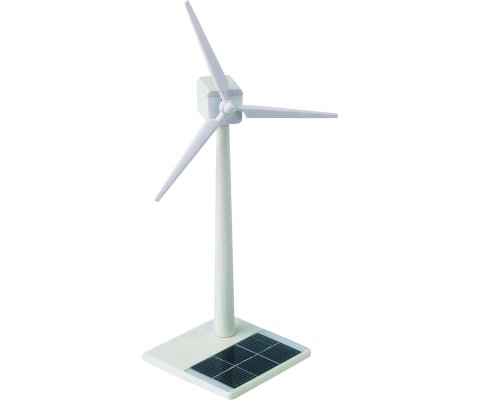
In the battle for the best renewable energy resource, the two that are constantly growing, building new technologies and give more renewable energy information, are the solar power and wind power. many renewable energy companies are straggling to put their technology on top, to gain more influence and more renewable energy credit. who will eventually win?
I think that in spite of the fact that wind power technologies are advanced, and currently wind turbines base power plants are more efficient and cheap than solar panels, It will not turn out to be the leading technology of the future.
The reason for that is the huge difference in terms of energy between the these two resources.
The sun energy is by far more intense, and more reliable than wind energy. The sun is technically the sole provider of energy to the living world, and we only use a minute part of the energy that arrives to earth.
Moreover, wind energy is not always available and require more specifications than solar panels.
Labels:
clean energy,
green energy,
renewable energy,
solar energy,
wind power
EU - 20% renewable energy by 2020 video
This video shows the commitment of the European union for achieving their 20% renewable goal until 2020.
The idea is to promote many green energy enterprises and technologies, to fight global warming and secure the European future. They show great progress in renewable energy fields like: solar power, wind power, hydropower, geothermal, biomass and more.
Interesting video.
Labels:
renewable energy,
video
Affordable Renewable Energy for Everyone
Debra Lynn Dadd 
Now there is a way that everyone can use solar, wind, and other renewable energies, at a fraction of the cost. Even renters can power their homes with renewable energy.
Renewable energy certificates (aka green tags, green energy certificates, or tradable renewable certificates) make it easy and inexpensive for anyone to reduce or eliminate the environmental impact of their electricity use.
Each certificate represents the delivery of a specific amount of renewable power (usually one megawatt-hour) into a regional or national energy "grid." This replaces the non-renewable fossil fuels that would have otherwise been used with non-polluting energy from solar, wind, biomass, and other renewable sources.
While the renewable energy you pay for may not flow through the wires in your own home, the resulting overall benefit to the environment is the same as it would be if you installed solar panels or wind turbines directly on your own property.
The certificates are purchased in addition to paying your regular energy bill. So it doesn't cost less than standard electricity, but it’s a small premium to pay to keep toxic pollutants produced by the burning of fossil fuels out of the environment. And it supports the market for renewable energy as a whole, which ultimately will bring the price down for renewable energy and make it more generally available.
These certificates are available on the internet, but not widely known. Green energy certificates are currently being marketed to big businesses that use a lot of energy and can make a big impact with their purchase, but anyone can buy them.
I recently purchased renewable energy certificates to offset the electricty I use in my own home and home office. Though my purchase is only 15 MWh per year for my 1500 square foot house, every little bit helps establish the market for renewable energy. It prevents the emissions of 20,700 pounds of carbon dioxide annually, equivalent to planting 1,500 trees or removing 2 cars from the road for one year. I pay only $40 a month (in addition to my regular energy bill) for solar, and other renewables cost even less.
For more information on renewable energy certificates, including a list of websites that offer them, visit http://www.debraslist.com/energy/greenenergycert.html.
About the Author
The Environmental Protection Agency’s Green Power Partnership has recognized consumer advocate Debra Lynn Dadd for her purchase of 100% solar renewable energy certificates for her Florida home office. She is the author of Home Safe Home (Tarcher/Penguin), publishes free email newsletters, and has posted links to 1000s of green products at www.debraslist.com.
Labels:
renewable energy,
resources
Ranting and Raving about Renewable Energy
Renewable energy is not a new concept. While it may appear to be a rather fashionable topic of conversation in certain circles, renewable energy initiatives have been with us since the dawn of man. There is some debate about the accepted definition of renewable energy, but it can be loosely defined as a form of energy that is essentially inexhaustible. Furthermore, the resource is continually replenished by various natural processes identifiable in the natural world.
Some of the more popular renewable energy resources include sunshine, water, and wind. Solar energy refers to the energy that is collected from sunlight. This form of energy is captured using a photovoltaic array, more commonly known as a solar panel. The solar radiation is captured by the photovoltaic array and converted to direct current (DC) electricity. From there, the direct current electricity must be converted to alternating current (AC) for use in most applications. The converted electricity is then stored in a battery for use at a later date.
There are also various forms of energy that exist in water. One of the most commonly acknowledged is that of hydroelectric energy, but there are a number of others including tidal power and ocean thermal energy conversion. Hydroelectric energy generally employs the use of a dam, wherein the energy of the water flow is captured and used to power a turbine. The turbine then generates a supplementary form of electricity. Tidal power attempts to make use of the natural energy potential of tidal activity in the oceans and seas. In simple terms, the high tide is captured and fed through a turbine to generate electricity. Ocean thermal energy conversion attempts to exploit the variances in water temperature, from the warmer surface water to the cooler deep water, resulting in a cyclic heat engine.
Wind power is one of the oldest accepted forms of renewable energy. It has been used for centuries as a source of power, dating back to the creation of the sailboat. The innate potential of wind power was realized a number of years later in the form of a wind mill. In this instance, the kinetic energy of wind is used to drive a turbine which, in turn, generates electricity. Wind energy possesses immense potential for sustainable energy generation, and a number of large-scale development projects are currently underway throughout the world.
One of the greatest challenges facing humanity is to discover a way to reduce our reliance on unsustainable resources, like fossil fuels. Most, if not all, modern industrial societies rely far too greatly on fossil fuels and increasingly, this is becoming an undeniable reality. Wars of conquest are being waged to secure what is left of the world's oil reserves. If only the resources of the powerful nations were channeled into developing sustainable energy alternatives, as opposed to driving a war machine bent on dominating the oil markets. Our modern way of life is going to undergo some difficult times in the very near future, if this reality continues to be ignored. Ask yourself what you can do to make a difference. You might be surprised at what you can accomplish.
Jim Fritz is a committed environmentalist, and a life long member of various environmental organizations. He is also a member of the editorial team at thesolarguide.com - an enlightened source of information about the latest developments in renewable energy, environmental education, solar consumer goods and more.
Labels:
renewable energy
Learn About Renewable Energy As A Domestic Energy Assessor
The United States Department of Energy has devoted itself to the cause of renewable energy promotion with its creation of the National Renewable Energy Laboratory in Golden Colorado.
The 12 program areas of the National Renewable Energy Laboratory are wind and hydropower technology intergovernmental projects on weatherization the technology of solar energy industrial power efficient technology the technology of fuel cells, hydrogen and building infrastructures geothermal technology the technology of vehicles and the Freedom Car energy management by the U.S. federal government energy-efficient building systems biomass and analytic studies. Each of these NREL programs is conducted by technology management experts whose capabilities and expertise span the programs wide renewable power technology range.
The Analytic Studies Program at NREL studies a wide variety of renewable energy analysis to support the programs and initiatives in place at the Lab. It also works with the Department of Educations Office for Energy Efficiency and Renewable Energy EERE as well as the energy analysis community at large. The labs Office of Energy Analysis integrates this analysis and supports its functions and the functions of the various research programs and centres of technology throughout the NREL.
Those who study renewable power analysis do so in five major interest areas. They look at the technologies involved in renewable energy, the benefits of the initiatives, and the markets for renewable energy, the policies that affect its implementation and embracement, and the analysis of the various programs. Many research programs are covered that include assessments of life cycles, vehicular systems, Web-based applications to assess renewable power possibilities and programs. The aim of this analysis is to understand how technology, policy, markets and the various software applications can interactive to the success of expansive and continuing renewable energy programs.
The study of biomass is an important ingredient in the renewable power implementation. Biomass offers a terrific opportunity to make use of sustainable as well as domestic resources for the production of power and fuel and the meeting of chemical needs through plants and t he material derived from them. Biomass starts with grasses, trees, biological material and agriculture. These can be used as renewable energy, either solid or through conversion to liquid or gas. These can produce electricity, chemicals, fuel or heat.
An important part of this NREL program is the development of energy-efficient and cost effective biomass technology that will reduce the U.S. dependence on oil from foreign countries, while it grows rural economies in our own country and improves the quality of our air.
Labels:
green energy,
renewable energy
Renewable Energy Careers - Challenging and Satisfying
If you are interested in an exciting career, one choice may be a career in the field of renewable energy. Finding resources for generations to come can be both challenging and satisfying.
Certain jobs in communications, community outreach, sales, marketing and business support are available in every renewable energy field. In addition, each field will need construction workers for building of the facilities, architects for the building design, mechanical and electrical engineers for research and development and technicians to maintain operations of the buildings. There are other jobs that will specifically target certain renewable energy technologies.
The wind industry uses meteorologists in their search to find areas with adequate wind conditions. Certain speeds of wind are vital to allow wind farms to generate enough electricity. In addition, advanced degree aeronautical engineers are needed for research and development in efforts to improve design and operations. Mechanical and electrical technicians, called "wind smiths" are needed to maintain the wind turbines.
The solar power industry has a need for highly skilled professionals. The different areas would consist of photovoltaics, solar thermal electric, solar hot water systems and passive solar building design. Higher-level jobs would include chemical, material science and physics engineers who would take the lead in research and development to improve solar products costs and reliability.
Much research is needed to make biomass energy production, the conversion of biomass into fuel, an easier process. This research effort will require the aid of chemists, microbiologists, biochemists, agricultural specialists and engineers. It will also create a number of direct and indirect jobs in rural communities. There will be an increase in jobs for farmers and foresters to produce and collect biomass resources. There will also be a need for more truck drivers to transport resources to the plants. There may even be a need for chemical engineers cross-trained in engineering and biology or chemistry and agriculture.
Geothermal energy production requires geologists, geochemists, geophysicists, hydrologists, seismologists, reservoir engineers, mud loggers, hydraulic engineers and drillers for the development and location of reservoirs. Environmental scientists will be needed for impact studies and for the obtainment of permits. HVAC contractors and drilling crews are also needed for manufacturing and installing geothermal heat pumps. Direct use of geothermal technology will have a need for heating engineers and those trained in building and agricultural industries. Electrical machinists, welders, riggers and mechanics are also needed in the design and construction processes.
Hydropower industry will employ recreation planners, resource managers and educators in managing the reservoirs and surrounding lands. The employment of environmental scientists such as, biologists, hydrologists, ecologists, and wildlife habitat specialists will be needed for conducting impact studies. They are needed to examine the effect hydropower has on the environment, to deal with environmental safety and to satisfy state and federal licensing laws.
The renewable energy field offers careers for individuals with a number of different skills, degrees and training. By being among those who will apply their talents and areas of expertise to any of the renewable energy fields, you can help the United States in its quest to provide an safe, environmentally friendly energy to its citizens.
About the Author
More Renewable Energy Articles at http://www.RenewableEnergy-Today.com. Learn how to operate a Successful Niche Website Network with eWebCreator, profitable Adsense Software
Labels:
renewable energy
Is Alternative Energy The New Eldorado?
There is money in alternative energy and big corporations are discovering this fact. Not only are existing companies securing their position, new companies that specialize in this new energy source are increasing also. Is there really money to be made or is this the new Eldorado? Many believe that this new form of converting 'free' energy has real potential. Let's look at the most important reasons why.
Why is alternative energy the answer for our energy problems? There are several reasons why. First it is a clean form of energy that doesn't cause any harmful effects to the environment. We are realizing that this beautiful planet we live and breathe on needs to cherished. Not only for us but more important for our children. Thus we need to live our lives in a way that is not harmful for our planet. We are doing it right now and need to change that. Alternative energy can be the answer.
Second, these 'new' energy sources are available for nearly every one and they are 'free'. Energy sources like the wind, sunshine and water are for every body and are free to use. We need technology to convert these sources in to useful energy needed for our appliances and transportation. These technologies come with a price tag and one can argue if these investments are worth it. If you feel that the investments are worth it or not, the technology is available. For the individual and for companies there are amazing technologies on the market. Companies that specialize in these energy sources are improving and coming up with new concepts that are better than ever before.
Companies that are developing these technologies are investing in their and our future and can become the next 'oil barons'. They are not only securing a clean planet, but are also making money. History has taught us that technology is the key for success in the western modern world we live in. These companies that develop these new technologies can sell their knowledge through appliances and services they offer. Consumers and other needing companies are willing to pay for this. You can ask yourself if it is wrong that these companies are making money on something that is 'free' for all. When you really think of it, it really is nothing more than what is happening today all around us. It is just plain and simple economy, some one offers a product and another person buys that in exchange for money. Of course the price must be right.
When it comes to making use of alternative energy we need technology to convert the 'free' energy sources into forms that we can use. This technology can be expensive, but you will be saving money also. Because many governments are endorsing it, you may profit from tax credits as well or other benefits. Thus, for the right price the investment can be beneficial for all parties.
The hunt for new alternative energy sources is not a hunt for a non-existing golden happy dream. The conversion of alternative energy sources into usable energy is happening today and will be better tomorrow. It is real and here to stay, for a long time.
About the Author
Bryan Wong is the owner of the solar information website http://www.GetEasyInfo.com/alternatenergy - A great website that shares quality Info, News and TIPS on Alternative energy.
Labels:
investments,
renewable energy
Upscale Goes Green: Homeowners Focus Increasingly on Sustainable Energy, Renewable Building Materials
A quiet revolution is going on in the real estate sector. Many successful professionals are putting considerable money into building their own dream homes, and many of those professionals are choosing to build according to green principles.
Perhaps the first decision these new homeowners face is how to heat and cool their homes. Before even considering what sort of heating and cooling system they will choose, they need to decide on a design and materials for the exterior structure. 
Energy-conserving heating systems, some of which create radiant heat from hot water pumped through pipes beneath the floors, save on energy; passive solar construction - homes with south-facing exposure and large windows - allows the sun to warm the home. Solar panels provide electricity for lights and electrical appliances, and gray water systems recycle used water for additional use in the home. Some homeowners in colder climates opt for wood- or wood-pellet-burning furnaces rather than the conventional oil furnace, installing modern furnaces designed to minimize emissions.
Green-building homeowners and more and more developers opt for natural and sometimes manmade materials created from renewable resources, materials which do not expose residents to health risks. Vinyl, which is infamous for outgassing toxic fumes, is rejected in favor of safer materials; hardwood flooring, much of it harvested from old-growth forests, is replaced with materials like bamboo, and cork, two renewable materials providing two very different, attractive looks in flooring.
Those not in the position to design and build their own home still have the option of "greening" an existing home, using a wealth of safe, nontoxic natural materials. Conventional plywood, which is manufactured using urea formaldehyde, can be replaced with a number of new, safer materials, including "Plyboo," created from bamboo. Kiln-fired clay tiles, wood from sustainable forests, natural, safe interior and exterior paints, and a host of other materials help create a clean, healthy home environment.
Building and renovating green currently costs more than using conventional materials; some green builders estimate the difference at about 15 percent. However, recently wood prices have soared, and increasing transportation costs due to the rising cost of gasoline and diesel has impacted the price of building materials, so the difference in cost between conventional and green building may well even out. As it stands now, increasing numbers of prospective homeowners are willing to pay a premium for a home made of attractive, sustainable, and healthy building materials.
About The Author
Aldene Fredenburg is a freelance writer living in southwestern New Hampshire and frequently contributes to Tips and Topics. She has published numerous articles in local and regional publications on a wide range of topics, including business, education, the arts, and local events. Her feature articles include an interview with independent documentary filmmaker Ken Burns and a feature on prisoners at the New Hampshire State Prison in Concord. She may be reached at amfredenburg@yahoo.com.
Labels:
houses,
renewable energy,
resources
World Environment Day 2008: Kick the Habit! Towards a Low Carbon Economy
World Environment Day, which is commemorated each year on June 5th, is one of the most significant mode through which the United Nations stimulates the global awareness of the environment. It is by this way that the United Nations attract political attention and enhances action to shape a better global environment. Each year the World Environment Day is 
The slogan for World Environment Day 2008 is 'Kick the Habit! Towards a Low Carbon Economy'. With an understanding of the fact that the change in climatic condition is gradually becoming one of the most defining issue of the age, UNEP is requesting the nations, companies and communities to put special focus on the greenhouse gas emissions and to put spare thought over how to reduce them. The World Environment Day 2008 is going to highlight resources and focuses on promoting low carbon economies with a view to shape a better and healthier future. Promoting a low carbon economy involves steps towards improved energy efficiency, alternative energy sources, forest conservation and eco-friendly consumption. The chief international celebration of the World Environment Day 2008 is going to be held in New Zealand.
The Heads of State, Prime Ministers and Ministers of Environment deliver statements and commit themselves to care for this only green planet of the universe. Serious pledges establish sound and non-transitory governmental policies related to environmental management and economic planning. bicycle parades, tree planting ,recycling campaigns, clean-up campaigns, street rallies, school level essay and poster competitions etc. are organized all over the world on June 5th to celebrate the World Environment Day.
Here are some information on World Environment Day for the last ten years regarding where the WED celebration was held at and what were the respective themes each year:
Places of celebration:
World Environment Day 2007 - Tromsø, Norway
World Environment Day 2006 - Algiers, Algeria
World Environment Day 2005 - San Francisco, U.S.
World Environment Day 2004 - Barcelona, Spain
World Environment Day 2003 - Beirut, Lebanon
World Environment Day 2002 - Shenzhen, People's Republic of China
World Environment Day 2001 - Torino, Italy and Havana, Cuba
World Environment Day 2000 - Adelaide, Australia
World Environment Day 1999 - Tokyo, Japan
World Environment Day 1998 - Moscow, Russian Federation
Themes of celebration:
World Environment Day 2007 - Melting Ice – a Hot Topic?
World Environment Day 2006 - Deserts and Desertification - Don't Desert Drylands!
World Environment Day 2005 - Green Cities – Plan for the Planet!
World Environment Day 2004 - Wanted! Seas and Oceans – Dead or Alive?
World Environment Day 2003 - Water – Two Billion People are Dying for It!
World Environment Day 2002 - Give Earth a Chance
World Environment Day 2001 - Connect with the World Wide Web of Life
World Environment Day 2000 - The Environment Millennium - Time to Act
World Environment Day 1999 - Our Earth - Our Future - Just Save It!
World Environment Day 1998 - For Life on Earth - Save Our Seas
Dorothy Smith, the author of this article, writes about the events & special occasions. Want to know more about world environment day or world environment day ecards ? Celebrate world environment day 2008 by sending free ecards and check some other resources .
Labels:
environment,
events,
renewable energy
Renewable Energy Reduces Electricity Use For Corporates
South Africa's growing economy has put huge strain on electricity usage. South Africa's electricity demand has been increasing at 15% a year, placing considerable strain on existing infrastructure. "We would like to work together with Eskom's new task team to aid in load reduction. This will ensure that our economy does not suffer loss from unnecessary load-shedding," says Andile Dlamini Toyota spokesperson.

Renewable energy is a reliable alternative to the traditional kind. In 2006, over 18% of global final energy came from renewables. By the end of 2008, Toyota will have installed 270 solar panels into its Durban plant. The company's decision to install solar panels will enable them to operate at full capacity while also reducing demand on Eskom.
Where previously Toyota's Prospecton plant in Durban used electricity and gas to heat water, it will now use energy converted from the sun as a source of heat. Solar panels collect and convert energy from the sun into energy and heat that is then used by nearby buildings.
Toyota's renewable energy project began in 2006 with the installation of 44X2,5m2 panels and the second phase was completed in June 2007 when 150 panels were installed. In the third phase of this project, Toyota will install a further 120 panels. While the project has cost Toyota R3.5 million, the company expects to save R95 000 per month on energy costs when the project is completed in the next few months. "Not only is this a significant financial saving, but it shows that Toyota is supportive of Eskom's energy saving initiative," comments Dlamini.
The car manufacturer will also reduce carbon dioxide released to the atmosphere by approximately 1350 tons per annum. Environmental impact of electricity use in South Africa is a concern which big electricity users like Toyota need to help address. Dlamini confirms, "Our solar power initiative is done with the environment in mind."
Commenting to Business Report, Andrew Atzinger, spokesperson for Eskom highlighted, "Until we have a culture where we pull together for the benefit of the economy...and each other, we would not expect there to be significant savings." Toyota's solar panel initiative will encourage other large companies to tackle the power-shortage in innovative ways.
Mediaweb is South Africa's wide release information service to the SA media, delivering the latest news within specific industry categories. Run by journalists, the service is driven by quality information that links journalists to usable content to help with pressured deadlines. Operating for over 8 years it also acts as a portal for general news, freelance and fulltime employment, and courses. To learn more, go to http://www.mediaweb.co.za
Article Source: http://EzineArticles.com/?expert=Bryony_Whitehead
Labels:
green energy,
renewable energy
Renewable Energy: Join the largest growing industry on earth and become an EcoStar Dealer today!
Solar power is the energy of the future. It is clean, environmentally friendly and works everywhere there is sunlight. It can be used for commercial, residential and aerospace projects.
Solar panel power systems use Photovoltaics (PV) panels which convert sunlight to direct current (DC) electricity using semiconductors. You can find solar panels, like EcoStar Electric, that are manufactured from cutting edge materials and are virtually indestructible no matter how delicate they appear to the naked eye.
Residential solar power is easy to use and can save you substantial money on your energy bills. Many homeowners save more then they expect, even more then they are guaranteed. It is easy to convert a home to use solar energy for electricity, heating, and all residential energy needs. A homeowner can install a solar power kit to use solar energy to power their own home. The power created by residential PV panels can be used by standard 120/240 VAC home appliances.
Besides significantly lower energy bills many users find that solar power installations are very affordable. By finding a direct distributor, you can save up to 60% then from other retailers. A solar house also helps create energy independence. As energy process rise up to 15% every year, your solar panel will continue to convert free solar photovoltaic power to real power for you at no extra cost. And, many homeowners benefit from solar panel installations through tax breaks.
If you are excited by solar power and the many benefits of creating energy from the sun then you can be a solar power distributer. Bring this exciting technology to your area and introduce more people to energy independance and lower energy bills. Not only can you do more for the environment you can directly benefit from being an independent business owner. You can set your own hours, create your own environment and make money. A small investment to buy a solar power dealership can net you large profits. Some solar power installations create profits up to 70%. You can earn six figures from a single solar power system sale. In addition, you may be eligible for future green government business incentives.
If you would like to learn more about the benefits of solar power for homeowners and commercial needs or start your own solar power dealership then you can learn more by checking our industry leaders like EcoStar Solar Energy.
EcoStar Solar Electric - Solar Electric made Easy. They Ship Worldwide. Toll Free 1-800-519-7693. Unlimited Income Opportunity - Dealer Information - Select zones still available.

Labels:
green energy,
renewable energy
Affordable Renewable Energy for Everyone
Have you ever wanted to power your home or office with renewable energy, but thought it was too expensive? Or you didn't want to deal with installing and maintaining equipment?
Now there is a way that everyone can use solar, wind, and other renewable energies, at a fraction of the cost. Even renters can power their homes with renewable energy.
Renewable energy certificates (aka green tags, green energy certificates, or tradable renewable certificates) make it easy and inexpensive for anyone to reduce or eliminate the environmental impact of their electricity use.
Each certificate represents the delivery of a specific amount of renewable power (usually one megawatt-hour) into a regional or national energy "grid." This replaces the non-renewable fossil fuels that would have otherwise been used with non-polluting energy from solar, wind, biomass, and other renewable sources.
While the renewable energy you pay for may not flow through the wires in your own home, the resulting overall benefit to the environment is the same as it would be if you installed solar panels or wind turbines directly on your own property.
The certificates are purchased in addition to paying your regular energy bill. So it doesn't cost less than standard electricity, but it’s a small premium to pay to keep toxic pollutants produced by the burning of fossil fuels out of the environment. And it supports the market for renewable energy as a whole, which ultimately will bring the price down for renewable energy and make it more generally available.
These certificates are available on the internet, but not widely known. Green energy certificates are currently being marketed to big businesses that use a lot of energy and can make a big impact with their purchase, but anyone can buy them.
I recently purchased renewable energy certificates to offset the electricty I use in my own home and home office. Though my purchase is only 15 MWh per year for my 1500 square foot house, every little bit helps establish the market for renewable energy. It prevents the emissions of 20,700 pounds of carbon dioxide annually, equivalent to planting 1,500 trees or removing 2 cars from the road for one year. I pay only $40 a month (in addition to my regular energy bill) for solar, and other renewables cost even less.
For more information on renewable energy certificates, including a list of websites that offer themScience Articles, visit http://www.debraslist.com/energy/greenenergycert.html.
Source: Free Articles from ArticlesFactory.com
ABOUT THE AUTHOR The Environmental Protection Agency’s Green Power Partnership has recognized consumer advocate Debra Lynn Dadd for her purchase of 100% solar renewable energy certificates for her Florida home office. She is the author of Home Safe Home (Tarcher/Penguin), publishes free email newsletters, and has posted links to 1000s of green products at www.debraslist.com.
Labels:
renewable energy,
resources
